Stockholm-based perfumer and designer Haisam Mohammed approaches fragrance with the precision of an architect and the sensibility of a storyteller. As the founder of Unifrom, he creates minimalist, concept-driven scents that challenge the conventions of traditional perfumery. Drawing from personal memory, cultural references, and a deep commitment to craftsmanship, his work explores identity, ritual, and the emotional power of scent. Here, he speaks about his process, his sources of inspiration, and how he balances intuition with intention.
When you begin creating a new scent, what is your starting point, a place, an ingredient, a memory, or something more conceptual?
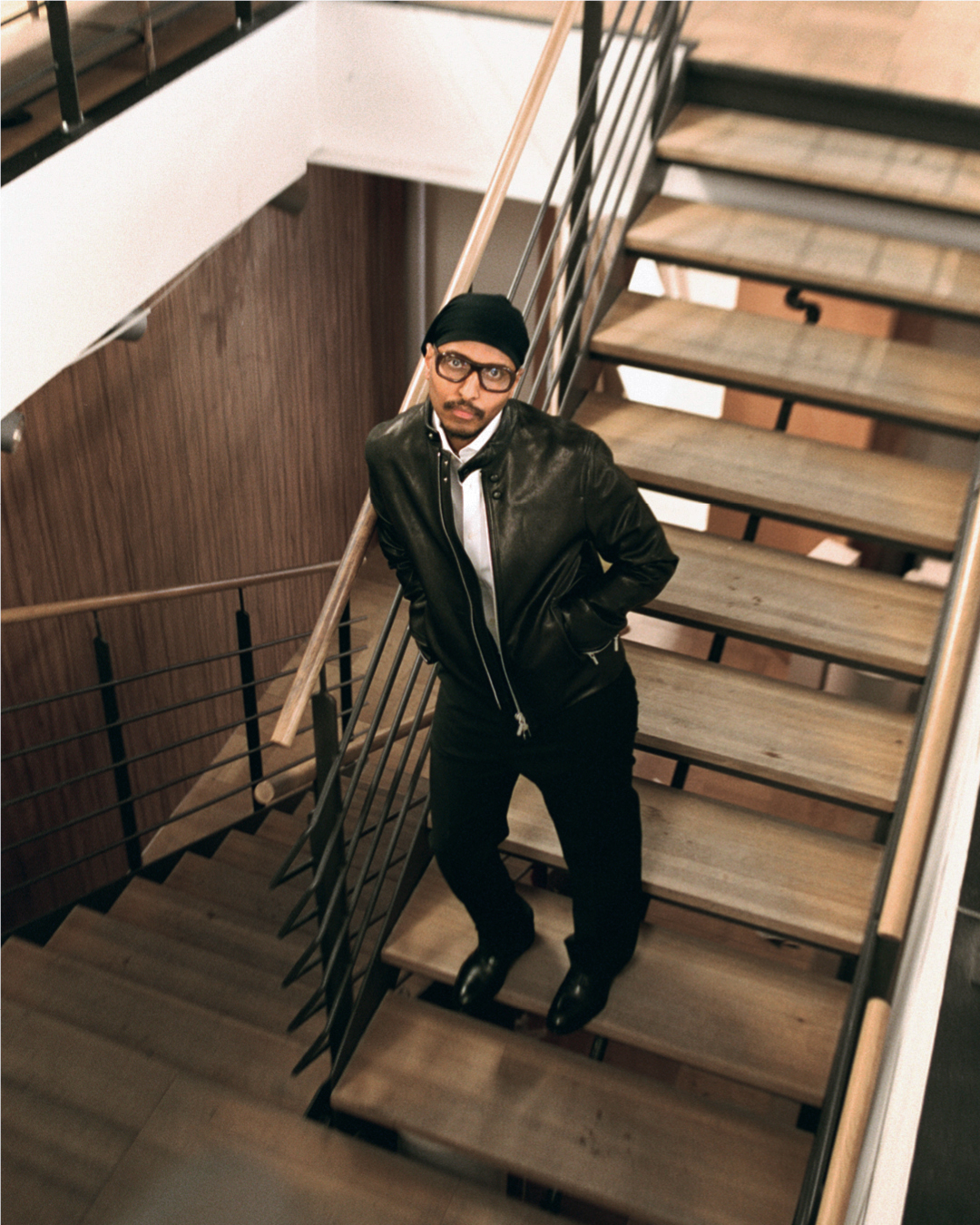
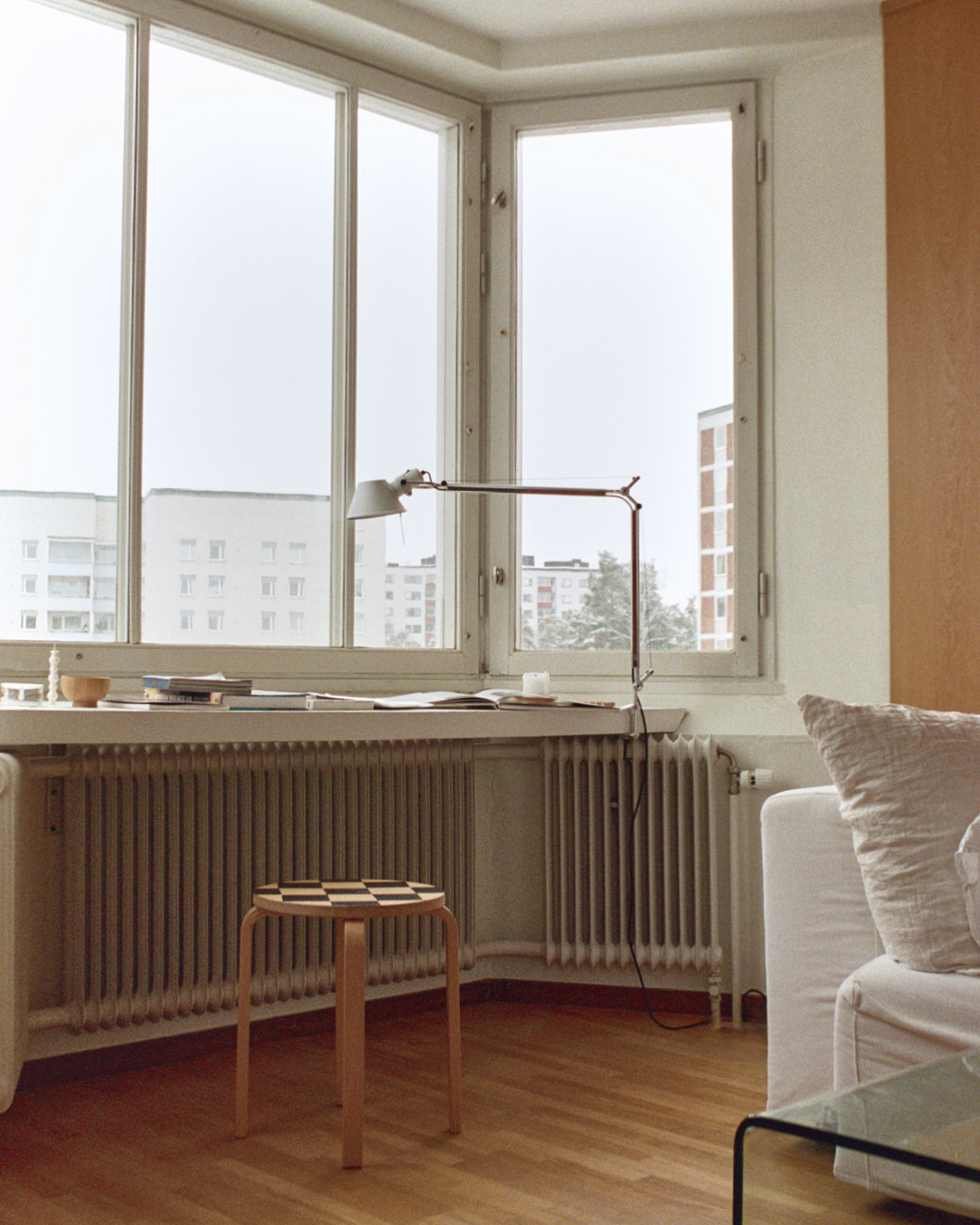
For me, it all began with a very specific kind of memory, the scent of the stairwells inside the high-rises where I grew up. That was my first point of reference. It wasn’t about traditional perfume, but rather about situations, atmospheres, and fragments of experience.
My process is still very much rooted in that way of thinking. I often draw inspiration from images, sounds, or even fragments of stories. To do that, I build entire worlds around a scent. It might start as a feeling or an image, but it expands into something much broader, something that includes visuals, music, poetry, and context. I try to give as much direction as possible, because I’m very particular about the outcome. I know exactly what I like, and just as importantly, what I don’t.
Perfumery is incredibly precise. A single note, added or removed, can completely shift the composition. That’s something I’ve come to understand deeply through working closely in the lab. I can see how even the smallest adjustment changes everything, even when it’s not immediately visible. It’s a process of constant refinement, of trusting that subtle shifts can lead to something entirely different.
And that’s what I love about it, the precision, the experimentation, and the almost invisible complexity behind the art of scent.
Is there a particular ingredient that seems to embody your essence, a note that speaks as if it were part of you?
For me, it would be a resin, frankincense. It’s a material I consistently return to, something that feels both grounding and quietly complex.
There is a particular depth to it that resonates with my work, but also with something more personal. Sourced from regions such as Somalia, it carries with it a sense of place, history, and connection to East Africa.
There is a quiet strength in working with materials that hold both personal memory and a broader cultural resonance, and for me, frankincense sits precisely at that intersection.

What does craftsmanship mean to you in the context of perfumery, and how does it guide your creative process at Unifrom?
Craftsmanship is incredibly important to me. It sits at the core of everything I do, and it’s something I hold to a very high standard. At the same time, it’s also something I constantly question.
Recently, we’ve been having conversations about whether that level of precision and attention to detail has, in some ways, limited the more mainstream potential of Unifrom. It’s a tension I find myself navigating quite often between creating something that meets my own standards of craft and allowing the work to exist in a broader, more accessible space.
There is a kind of duality in it. Craftsmanship can both elevate and, in some cases, constrain. It pushes you to refine, to be meticulous, but at the same time, building a brand requires certain compromises and decisions that move things forward on a larger scale.
For me, it’s about finding a balance within that space. And I think that tension, in itself, is what continues to shape the work.
How important is durability in scent, creating something that people return to again and again rather than consume quickly?
Durability is important to me, but perhaps not in the conventional sense. I want a fragrance to have longevity, but at the same time, our approach with Unifrom is built around portability.
We don’t see the fragrance as something static or fixed. The idea is not to replace someone’s signature scent, but rather to complement it. I often describe it as having a uniform in your bag, a fragrance you can carry with you, and return throughout the day.
In that sense, durability becomes less about how long a scent lasts on the skin, and more about how it lives with you over time. You should be able to re-apply it, to interact with it, to make it part of a ritual. I like the idea that fragrance isn’t something you apply once and forget, but something you engage with repeatedly.
That’s why I’ve also gravitated toward more portable formats. I’ve used perfume oils my whole life, something I inherited from my father, and I’ve always kept a bottle with me. It’s a more intimate, personal way of experiencing scent.
In that way, durability is not just about time, but about presence, ritual, and the way a scent moves with you.
Beyond the notes and ingredients, what story do you hope a Unifrom fragrance communicates to its wearer?
Beyond the notes and ingredients, what we’re really building is a mindset, one that positions fragrance as a kind of essential accessory. I see Unifrom as something that becomes part of your daily life, almost like an extension of your wardrobe. It’s something you carry with you, something that moves with you throughout the day.
Which cities or environments are currently feeding your imagination? Are there places that you find particularly inspiring?
I wouldn’t say I actively travel to places in search of inspiration. It’s more that inspiration happens naturally, wherever I am.
What I’m drawn to, instead, are more specific environments and everyday spaces. Markets, for example, are incredibly inspiring to me. Places where you encounter different materials, scents, and people, where you can observe what people wear, what they carry, and how they express themselves through smell. There’s something very authentic and unfiltered about that.
I’m also interested in more intimate, almost domestic spaces, places that feel lived in rather than curated. It’s less about grand cityscapes and more about these smaller, sensory environments that carry a certain atmosphere.
If you could curate a perfect evening in Stockholm, what sights, sounds, and scents would fill the night?
A perfect evening in Stockholm, for me, would unfold quite naturally rather than in a fixed order. It would begin somewhere quiet, perhaps in a tea shop. I spend a lot of time in tea houses around the city, discovering different blends, sitting in calm, unassuming spaces where you’re invited to slow down. There’s something very grounding about that ritual, the warmth, the aroma, the act of tasting and smelling.
From there, I would likely take the boat. It’s something I’ve come to love in Stockholm. It’s simple, accessible, and incredibly inspiring. I often find myself taking the boat without a fixed destination, just letting it move through the city, as a way of thinking and observing.
For me, an evening like that captures the essence of Stockholm: calm, considered, and quietly dynamic.
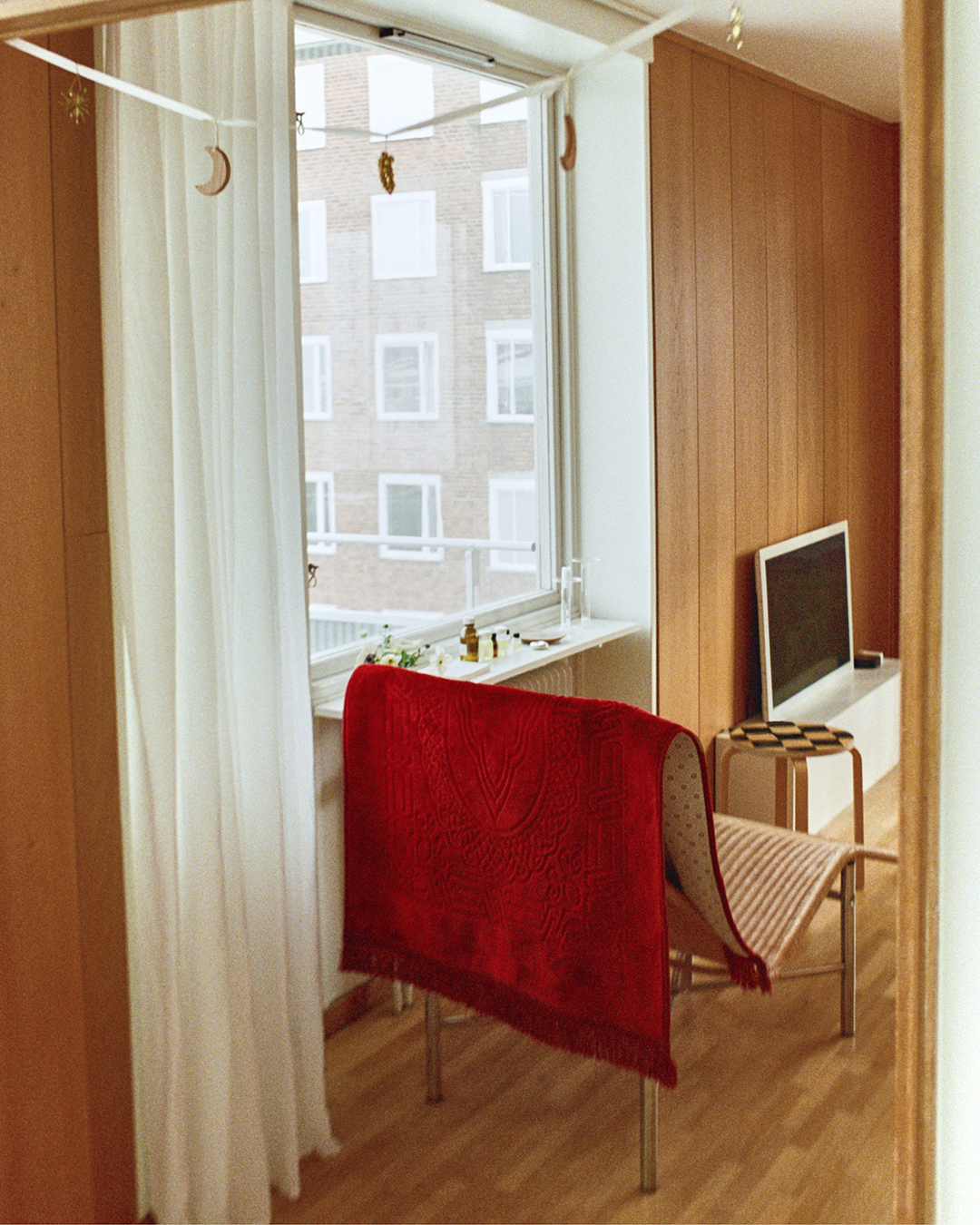
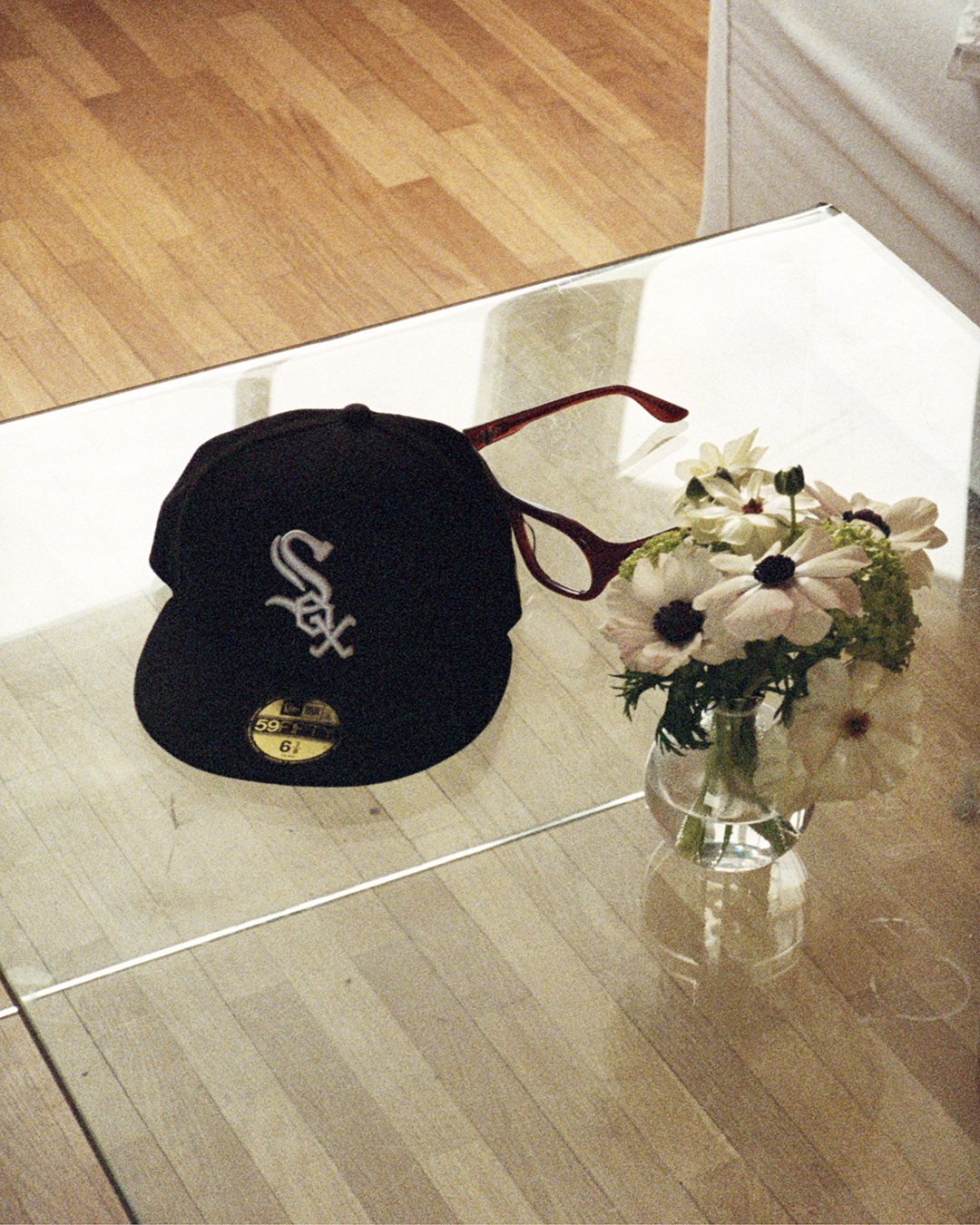
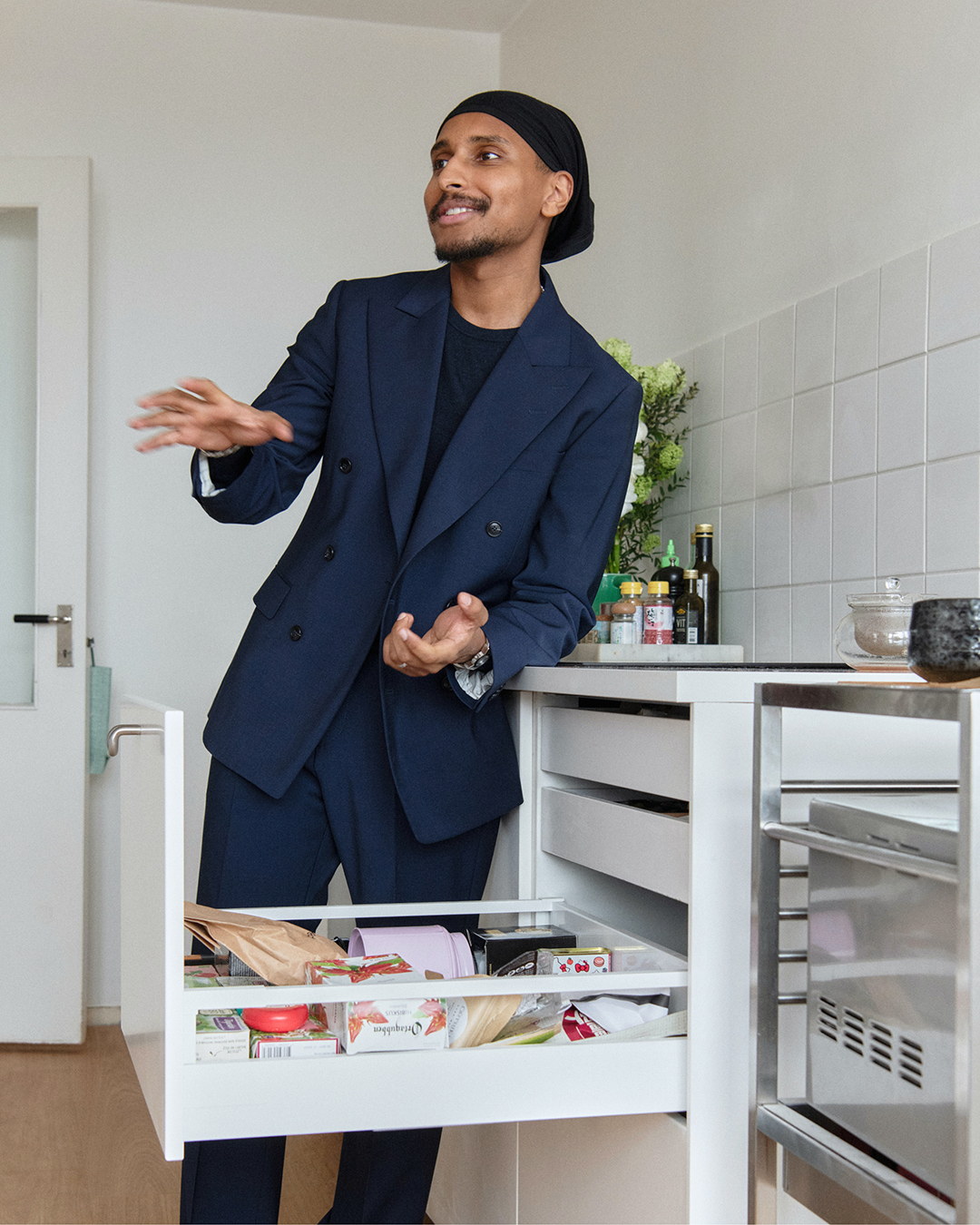
What does “home” mean to you, and how does scent play a role in shaping its atmosphere, through candles, incense, or daily rituals?
Home, for me, has always been a place of presence and ritual. I grew up living with my parents, which is traditional in my culture, and our home was never just a private space. It was a social one, filled with conversation, food, and shared moments.
Scent has always been at the centre of that experience. It begins in the kitchen, where my mother cooks daily, her dishes layered with spices that slowly fill the house. The aromas move effortlessly from room to room, creating an immediate sense of warmth and belonging, one that feels both grounding and deeply familiar.
The most meaningful expression of scent in our home is incense. We burn bakhoor during special occasions, and even now, the faintest trace of it in the morning air signals that something meaningful is unfolding. In this way, scent is never incidental; it is intrinsic. It defines the mood, marks important moments, and preserves a sense of belonging. Through fragrance, home becomes not just a place, but an experience.
What does your personal scent wardrobe say about you? Is there one fragrance you return to for grounding or inspiration?
My scent wardrobe is very personal to me. I see fragrance as a way of expressing identity; it can either enhance who you already are or allow you to step into a version of yourself you’re becoming. Some days, I choose a scent as an act of transformation. It’s almost like becoming another version of myself, more daring, more expressive, more intentional.
On other days, I return to something that feels deeply familiar. A scent that reflects who I am at my core, rather than who I’m trying to be. Those fragrances ground me and bring me back to myself. I’m naturally drawn to gourmand notes, sweet, warm, and indulgent. Today, my scent wardrobe carries both evolution and memory.
Do you dress in scent the way you dress in clothes, selecting different fragrances for different moods and moments?
Yes, and no. For me, scent is deeply tied to mood and moment. Sometimes I might change my fragrance hour by hour, layering different notes depending on how I feel or the energy I want to carry.
There are also periods when I wear no perfume at all, especially when I’m developing new fragrances and need to reset my senses. In those times, fragrance becomes more intimate, something I might wear only for myself, like a private ritual at the end of the day.
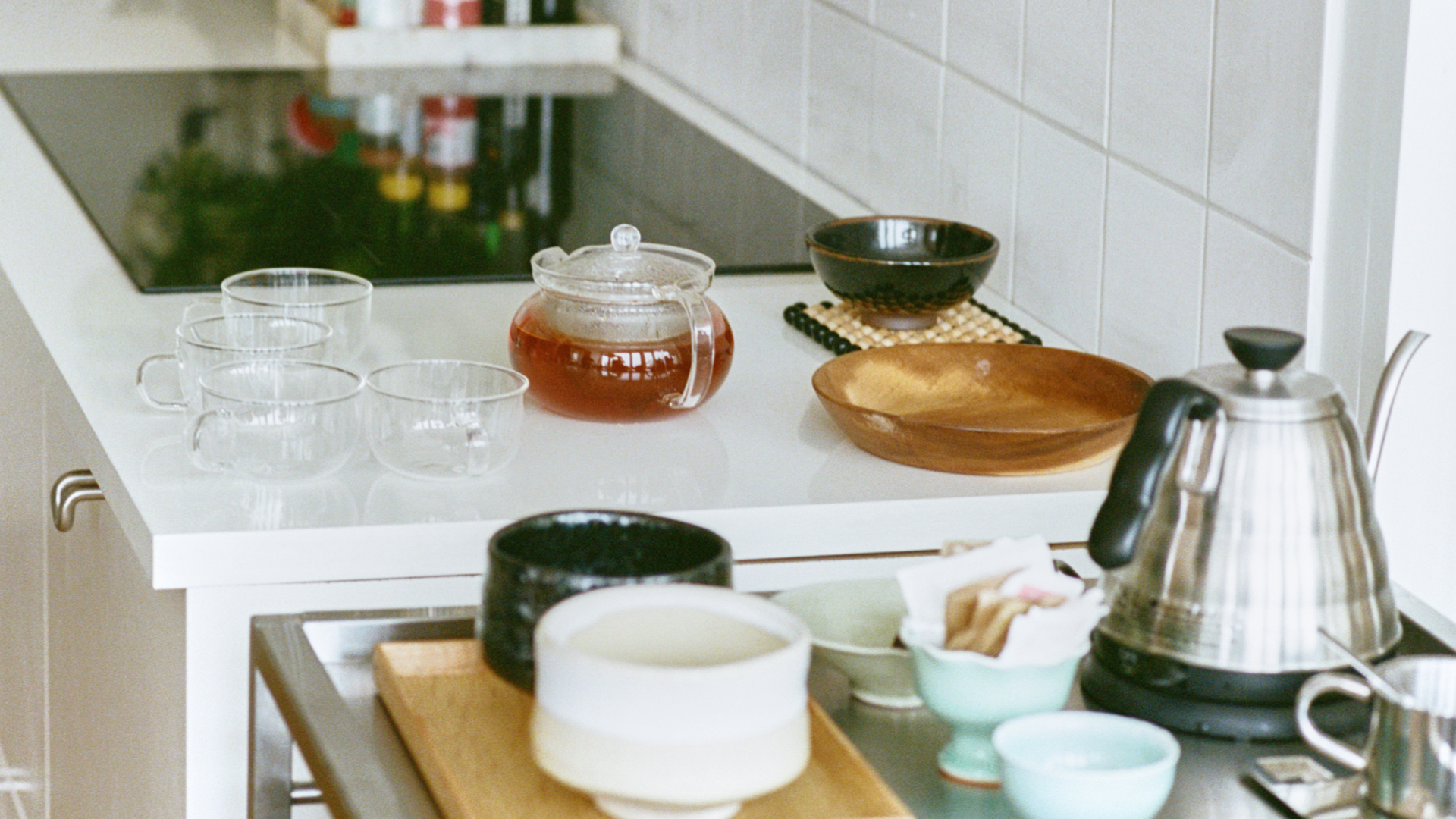
Does your scent shift with your silhouette, from the structure of a suit to the ease of something worn more off-duty?
Not really. For me, scent is much more about mood than the clothes I’m wearing. I tend to separate the two; my fragrance doesn’t necessarily follow my silhouette.
That said, there’s a slight interplay sometimes. My wardrobe is fairly consistent, so whether it’s a double-breasted suit for a morning meeting or something more casual for the evening, the transition between day and night is seamless. My fragrance, like my clothing, needs to adapt subtly to the flow of my day, layered, versatile, and ready for any situation. In that sense, scent becomes part of the rhythm of my life rather than dictated by a particular outfit.
Stockholm is your home base, and it was the city’s high-rises that first captured your imagination through scent. How has the city continued to shape and influence your personal style?
Stockholm, for me, is one of the most inspiring cities in the world. I’ve always felt a strong connection to it, and I often find myself telling people how much potential I see here.
Having travelled extensively, I expected to feel more inspired elsewhere, but it was quite the opposite. The more I moved around, the more I realised how much I appreciate Stockholm. There’s a clarity to the city that I find incredibly compelling.
In terms of style, I think that sensibility has influenced me in a subtle but important way. There is a certain Scandinavian aesthetic, a sense of restraint and intention, that I naturally gravitate toward. At the same time, my background and my circle of friends are very diverse, which means I’m constantly exposed to different perspectives.
So, while Stockholm provides a kind of visual and emotional anchor, my style continues to evolve through these wider influences. It’s a balance between the minimal, considered language of the city and the richness of the people and cultures around me.
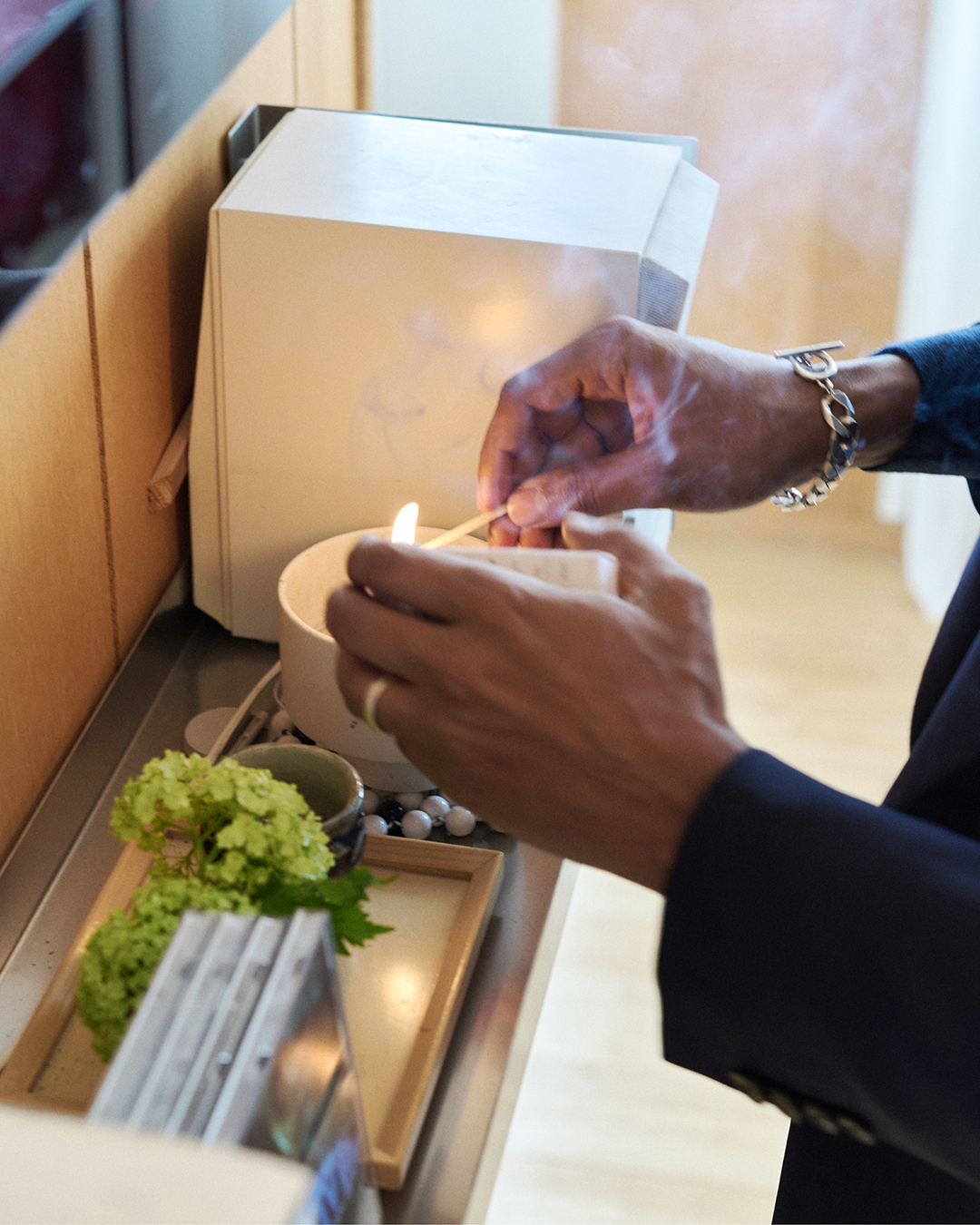
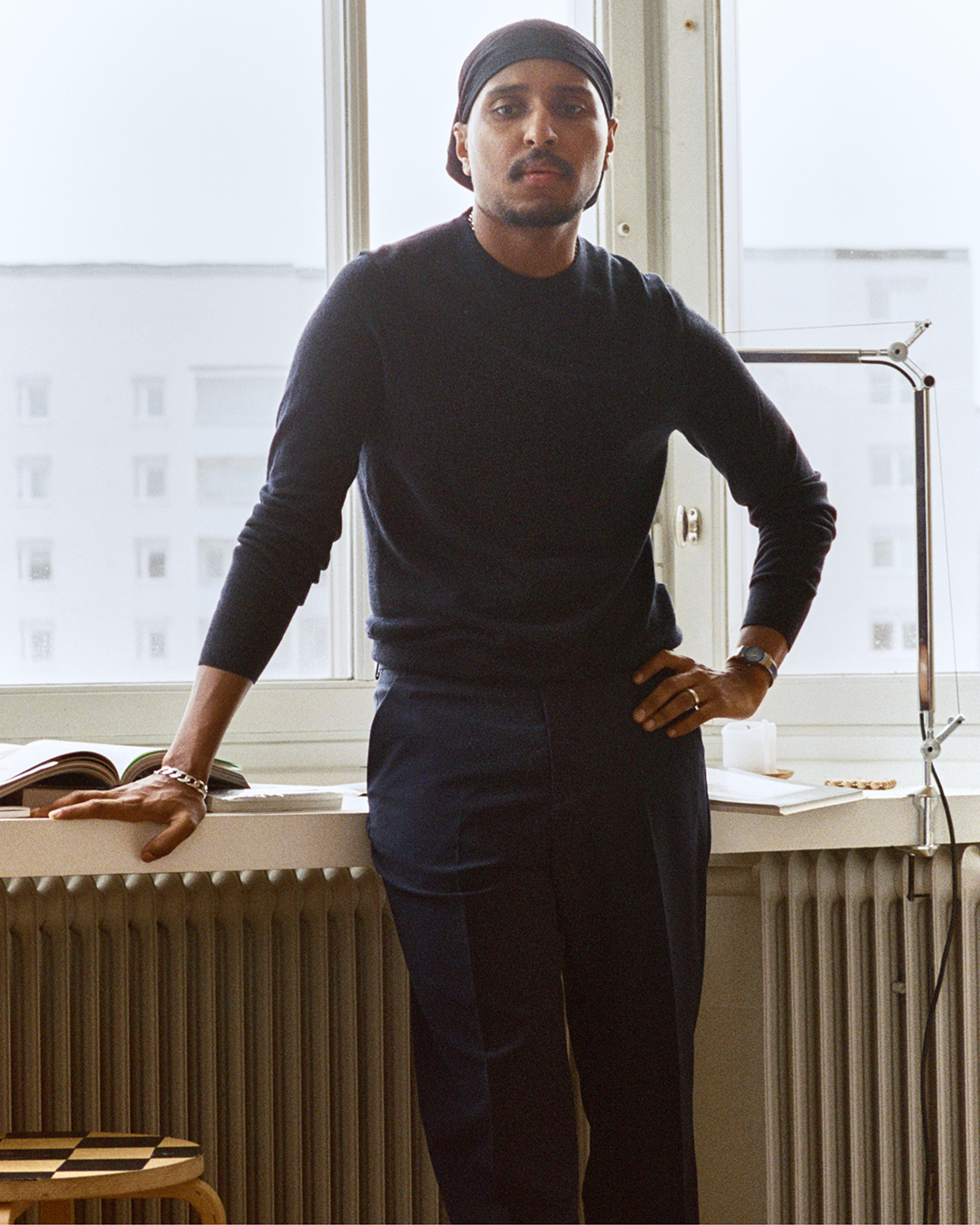
What fashion pieces in your wardrobe would you consider timeless or essential?
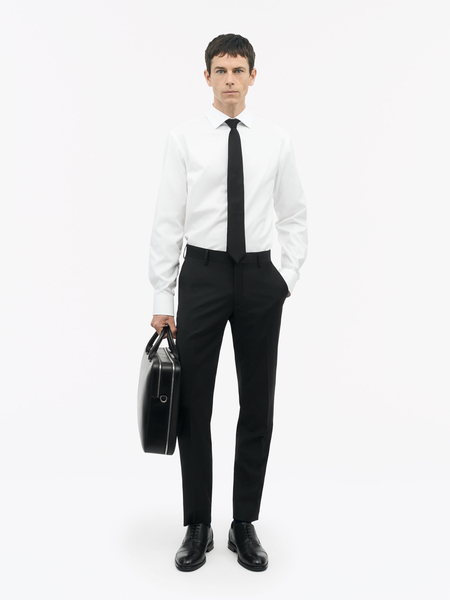
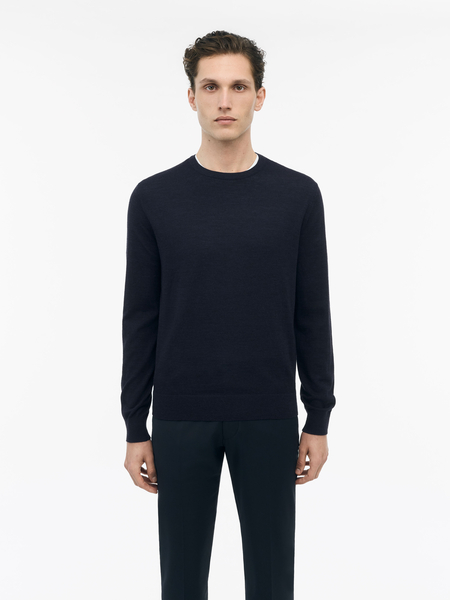
In my wardrobe, I gravitate toward pieces that feel considered, understated, and built to last. A well-tailored suit is essential; it carries a certain aesthetic that aligns with how I approach both life and design. Alongside that, I value simple, well-made staples, pieces like a cashmere jumper and a double-breasted blazer. Much like with fragrance, it’s less about excess and more about intention, building a wardrobe that evolves quietly over time, rather than chasing trends.
Do certain textures, fabrics, or colours in fashion consistently resonate with the moods you explore in your fragrances?
I’ve been drawn to the same colours for as long as I can remember. Red, pink, brown, and off-white have always felt instinctively right to me, there’s something timeless and grounding about them. These are also colours that you’ll begin to see reflected in the brand, as they form a kind of visual language I naturally return to.
I’m quite particular when it comes to colour, and I tend to stay within that palette. I find that tones and textures with subtle shifts can feel more powerful and nuanced. There’s something very intentional in working within a restrained palette; it allows the focus to shift toward form, composition, and feeling.
Are there historical perfumery/fashion houses, books, or cultural movements that continue to influence how you think about your creative process?
I’ve always approached my work with a certain distance from the industry. It’s not about being against it, but rather about not allowing it to define the direction I take. I’ve never felt the need to follow what’s happening around me in a conventional sense.
If anything, it’s been brands and projects that challenge that very system that have had the most impact on me. I’m drawn to fragrances that feel unconventional, those that don’t necessarily conform to traditional ideas of what a “perfume” should be. It’s that sense of disruption, of creating something unexpected, that I find most compelling.
A huge thanks to Haisam Mohammed for taking part in the Into the Fold series. You can follow his creative journey on Instagram @haisam._ & @unifrom
SHOP THE LOOKS